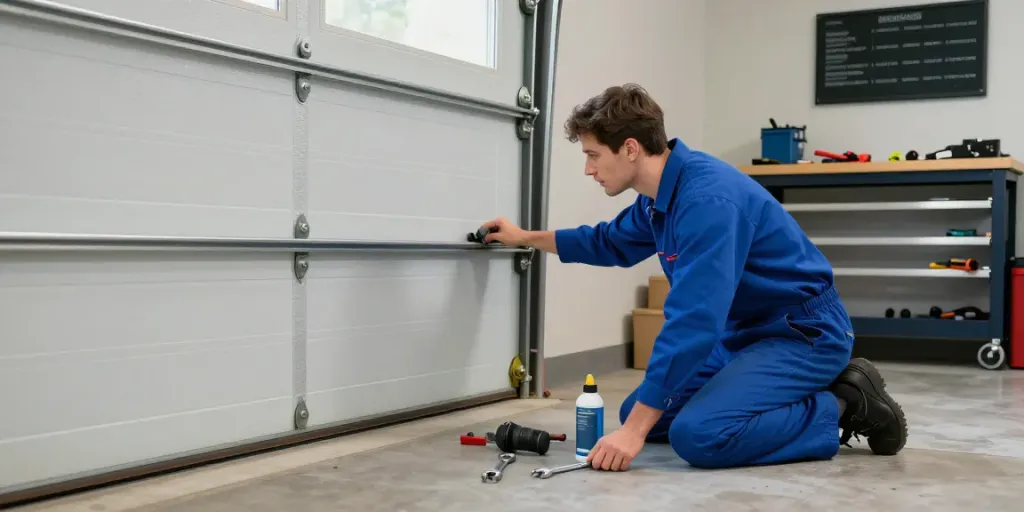
Understanding Common Causes of a Roller Door Stuck
Roller doors are an integral part of many residential and commercial properties, providing convenience and security. However, they can experience issues that lead to frustrating situations, such as being stuck mid-operation. Understanding the common causes of a roller door stuck can help you identify the problem early and decide whether a simple fix or professional intervention is needed.
What Common Faults Lead to Roller Doors Getting Stuck?
Several common faults can cause a roller door to become stuck. Understanding these issues can help homeowners and business owners take quick action:
- Misaligned Tracks: When the tracks become misaligned due to regular wear and tear or impact from a vehicle, the door may not be able to move freely.
- Worn Rollers: Rollers can wear out over time, leading to inefficient operation. If the rollers are damaged, they might not glide smoothly along the track, causing the door to stick.
- Broken Springs: The tension in garage door springs is crucial for balance. If a spring breaks or loses tension, the door may stop moving completely.
- Faulty Sensors: Many modern roller doors come equipped with safety sensors. If these sensors malfunction or are obstructed, the door may halt unexpectedly.
- Motor Issues: A malfunctioning motor can lead to the door becoming unresponsive, preventing it from opening or closing properly.
Signs Your Roller Door Needs Immediate Attention
Recognizing the signs that your roller door requires immediate attention can save you from future headaches. Look out for:
- Unusual noises such as grinding or squeaking when operating.
- The door hesitating or pausing during opening or closing.
- Visible misalignment or gaps in the door tracks.
- Frequent errors or malfunctions with the opening mechanism.
- Physical damage to the door panels or surrounding hardware.
Identifying the Right Tools for Evaluation
To effectively diagnose roller door problems, it's essential to have the right tools on hand. Some basic tools include:
- Screwdriver: For tightening or replacing screws in the hardware.
- Level: To check the alignment of the track.
- Lubricant: To apply to the rollers and tracks for smoother operation.
- Wrench Set: For adjusting or replacing springs and other components.
- Flashlight: To illuminate the darker areas of the garage for better inspection.
Fast Solutions for Immediate Roller Door Issues
When a roller door gets stuck, fast action can often resolve the issue before it worsens. Here are some practical steps to consider:
How to Diagnose a Stuck Roller Door Effectively
Diagnosing the problem effectively involves a systematic approach:
- Visual Inspection: Look for any visible signs of damage or obstruction in the door tracks and rollers.
- Check the Springs: Ensure that the springs are intact and appropriately tensioned.
- Test the Motor: If applicable, check the motor and its connections to ensure it’s functioning properly.
- Listen for Noises: Unusual sounds can indicate specific issues, such as grinding gears or loose fittings.
- Run Safety Tests: If your door has sensors, make sure they are functioning and free of obstructions.
Emergency Repairs: When to Call a Professional
Sometimes, a problem may be beyond a simple fix. It’s crucial to call a professional in cases where:
- The door is completely unresponsive, and you suspect a motor failure.
- You observe broken springs or cables, which can be dangerous to repair on your own.
- There are significant alignment issues that you are unable to adjust.
- Repeated attempts to fix the door lead to more complications.
DIY Fixes to Unstick Your Roller Door
Here are some DIY strategies that might help resolve a stuck roller door:
- Lubrication: Apply garage door lubricant to the tracks and rollers to minimize friction.
- Alignment Check: If the tracks are misaligned, you can gently tap them back into place with a rubber mallet.
- Remove Obstructions: Clear away any debris or obstructions in the track that may be preventing movement.
- Reset Sensors: Clean and test the sensors to ensure they are functioning and aligned correctly.
Preventative Measures to Avoid Future Problems
Implementing preventative measures can significantly extend the lifespan of your roller door and reduce the frequency of repairs:
Routine Maintenance Techniques for Roller Doors
Establish a regular maintenance routine that includes:
- Regular Cleaning: Remove dirt and grime from tracks and panels to prevent buildup.
- Lubrication: Apply a lubricant to the rollers and hinges at least twice a year.
- Visual Inspections: Conduct a visual inspection quarterly to identify any potential issues before they escalate.
- Professional Servicing: Schedule professional maintenance every couple of years to ensure everything is in working order.
How to Keep Tracks Clear and Functional
Keeping your tracks clear is vital for smooth operation:
- Ensure that there are no obstructions, such as garden equipment or vehicles, blocking the door’s pathway.
- Implement a cleaning schedule to regularly remove debris or dirt buildup in the tracks.
- Check for corrosion or rust; a simple cleaning can prevent larger issues.
Best Practices for Operating Roller Doors Smoothly
To ensure your roller doors operate smoothly, follow these tips:
- Avoid forcing the door open or closed if resistance is felt; this can cause additional damage.
- Only use the door as intended and avoid heavy loads on the door.
- Keep the remote and manual controls in good working order; replace batteries when necessary.
Expert Tips from Garage Door Repair Professionals
Learn from the expertise of professionals for a better understanding of roller door care:
Insights on Common Misconceptions About Roller Doors
There are several misconceptions surrounding roller doors, such as:
- Believing that all issues can be fixed with a simple lubrication – while this helps, it’s not a one-size-fits-all solution.
- Assuming older doors are no longer worth repairing – many older models can be refurbished with the right parts.
- Thinking that emergency repairs are always costly – many companies, like Bruce Garage Door Repair, offer fixed-price quotes before work begins.
Professional Equipment Used in Roller Door Repairs
Garage door technicians utilize various specialized tools, including:
- Tension Tool: Used for adjusting and replacing garage door springs.
- Track Alignment Tool: Ensures that the tracks are perfectly aligned for smooth movement.
- Spring Compression Tool: Safely compresses springs when performing repairs.
- Diagnostic Equipment: Helps identify electrical issues with motors and sensors.
Real-Life Case Studies of Successful Roller Door Repairs
Here are two case studies illustrating the effective resolution of roller door issues:
- Case Study 1: A homeowner reported their garage door wouldn’t open. Upon inspection, it was found that the motor had failed. The technician swiftly replaced the motor and adjusted the door tracks, restoring functionality within an hour.
- Case Study 2: A business faced frequent shutdowns due to a roller door that repeatedly stuck. After several visits, it was determined that the rollers needed upgrading to a heavy-duty option. Following the replacement, the door functioned without any issues.
What to Expect from Garage Door Repair Services
When calling a professional garage door repair service, it's essential to know what to expect:
The Typical Process of a Same-Day Repair Call
The process usually follows these steps:
- Initial Contact: You reach out to the service with details about the problem.
- Assessment: A technician is dispatched to evaluate the issue.
- Diagnosis: The technician conducts a thorough inspection, diagnosing the problem accurately.
- Quote: You'll receive a fixed-price quote before any work begins.
- Repair: Once approved, repairs are performed on the spot, often during the same visit.
Understanding Pricing and No Call-Out Fee Policies
Many companies now offer transparent pricing structures with no call-out fees, ensuring that you are only charged for the work done:
- Fixed pricing helps avoid unexpected costs.
- No charges for estimates or quotes mean you have the option to decide without pressure.
- This model promotes trust between the service provider and customers.
Frequently Asked Questions About Roller Door Repairs
Here are some frequently asked questions and their answers:
- How long does a typical repair take? Many repairs can be completed within 45-90 minutes, depending on the issue.
- Do I need to be home during the repair? It’s ideal to be present for the repair, but it is not mandatory.
- What if my garage door needs replacement parts? Most technicians carry commonly needed parts, ensuring quick resolution.
- Can my door be repaired on the spot? In many cases, technicians can repair the door during the first visit.