Understanding the Value of Second-Hand Items
In a world increasingly focused on sustainability and minimalism, the value of second-hand items, especially when it comes to vintage and unique pieces, has never been more prominent. Many people might dismiss used goods as remnants of the past, but with the right perspective, these items can tell captivating stories and hold significant emotional value. This article explores the multifaceted nature of second-hand goods, particularly in the context of rokok88, revealing why these treasures are worth a second look.
What Makes Vintage Unique?
Vintage items are not just old; they are often imbued with a character and charm that new items lack. The uniqueness of vintage lies in its history. Each scratch and imperfection tells a story of its past, making it irreplaceably unique. Collectors and enthusiasts seek these items not only for their aesthetic appeal but also for their ability to evoke memories of bygone eras.
Moreover, the rarity of vintage items often enhances their value. As new production techniques and fashions emerge, certain styles become obsolete, leaving behind a limited number of authentic pieces. This scarcity can make vintage articles highly sought after in markets ranging from fashion to furniture, thus presenting opportunities for savvy buyers to invest in pieces that may appreciate in value over time.
Emotional Connections to Second-Hand Products
Emotional connections play a significant role in the allure of second-hand items. Many people have fond memories associated with specific objects — maybe a childhood toy or a piece of furniture that belonged to a beloved relative. These memories can create an attachment that transcends the object's material value.
Furthermore, second-hand shopping can be a nostalgic experience. The thrill of uncovering a forgotten classic or a beloved design can invoke sentiments of nostalgia, reminding individuals of their past and the stories tied to those items. In essence, second-hand goods are not merely items; they are vessels of history and sentiment.
How to Assess Value in Used Goods
Assessing the value of second-hand items requires a keen eye and some background knowledge. When considering a purchase, think about the item's rarity, condition, and market demand. Understanding brand reputation also plays a crucial role, as certain brands maintain higher value due to their enduring quality and desirability.
Condition is paramount when evaluating used goods. Minor wear can add character, while significant damage may decrease an item's value. While some items may be worth restoring, others might be best appreciated in their original state. Additionally, researching recent sales of similar items can provide insight into the current market value, helping you make informed decisions.
Spotting Quality in Vintage Finds
Knowing how to identify quality in vintage items is essential for collectors. Here are several tips to ensure that the pieces you acquire are worth the investment.
Identifying True Collectibles
Not all vintage goods are considered collectibles. To identify true collectibles, look for items that have genuine historical significance or are indicative of a particular style or era. Items linked to specific events or personalities often hold higher value as they are sought after by collectors.
Brand history can also provide clues. Certain brands, such as Chanel or Rolex, are renowned for quality and craftsmanship. Their items typically maintain their value over time, making them sound investments.
Common Misconceptions About Used Items
Many people believe that second-hand items are inferior or unusable. This stigma can prevent potential buyers from appreciating the beauty and quality of well-crafted vintage goods. In reality, many vintage items are made with higher quality materials and craftsmanship than their modern counterparts, often outlasting them considerably.
Additionally, it’s a misconception that all second-hand items are damaged or dirty. Many thrift stores or antique shops curate their selections, ensuring that what’s available is in good condition or can be easily restored.
Best Practices for Inspecting Second-Hand Goods
When inspecting second-hand items, always conduct a thorough examination. Here are some best practices:
- Check for signs of wear and tear, such as scratches, stains, or damages.
- Research the item’s brand and model for authenticity.
- Handle the item to inspect its weight and feel; authentic pieces often feel different from reproductions.
- Inquire about the item's history, if possible, to gain insights into its provenance.
Where to Find the Best Vintage and Unique Items
The hunt for vintage treasures can be exciting, but knowing where to look is crucial. While local thrift stores are a fantastic starting point, the digital age has introduced numerous platforms for vintage shopping.
Local Thrift Stores vs. Online Marketplaces
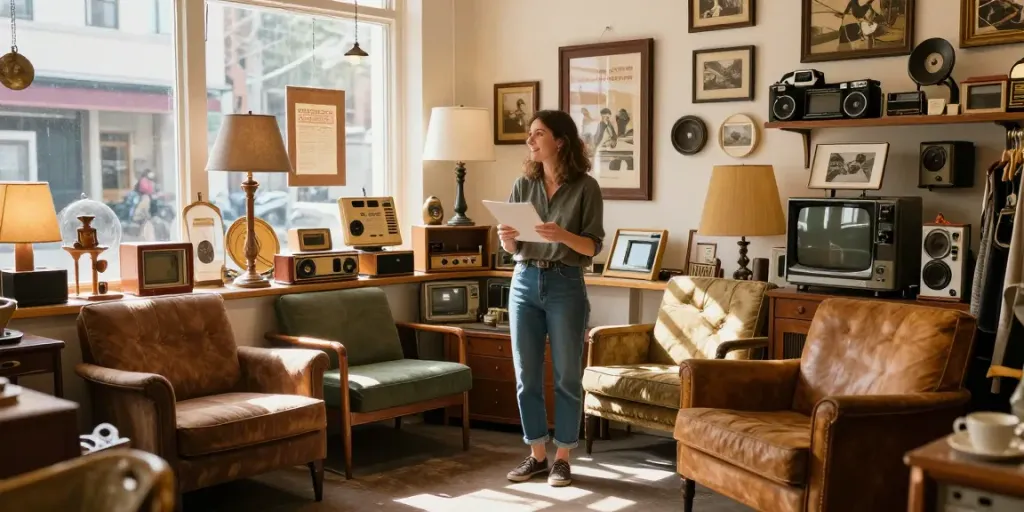
Local thrift stores provide a tactile and serendipitous shopping experience that online marketplaces cannot replicate. These stores often have unique, uncurated items that may have interesting histories attached. The thrill of stumbling upon a hidden gem makes thrift store shopping a favorite among many vintage enthusiasts.
Online marketplaces, however, offer convenience and a broader selection. Websites dedicated to vintage and second-hand goods allow you to search specific styles or brands easily, often accompanied by detailed descriptions. While you may miss out on the tactile experience, the expansive options can lead to valuable finds.
Exploring Estate Sales and Auctions
Estate sales and auctions are excellent avenues for discovering high-quality second-hand items. Estate sales can often provide a snapshot into the life of the previous owner, filled with personal touches and curated items.
Auction houses frequently deal in rare collectibles and antiques, where the bidding process can yield unexpected bargains. Knowing what to look for and attending previews can significantly enhance your chances of landing valuable pieces.
Building Relationships with Local Sellers
Establishing relationships with local sellers can lead to exclusive opportunities for acquiring goods. Whether it’s a thrift store owner or a garage sale regular, having direct lines of communication will allow you to learn about new arrivals and insider tips.
Furthermore, many sellers appreciate loyal customers and may even offer you a special deal for your continued patronage.
Restoration and Upcycling Ideas for Vintage Items
Restoring and upcycling vintage items can breathe new life into them, allowing their stories to continue. Many people find joy in personalizing their vintage discoveries, making them even more special.
Simple Restoration Techniques to Revive Old Goods
Restoration can be as simple as cleaning and repairing minor damages. For furniture, refinishing the surface can reveal the original beauty beneath layers of grime. Upholstery projects can also reinvigorate old chairs or sofas, transforming them into statement pieces that fit modern aesthetics.
Unique Upcycling Projects for Creative Use
Upcycling opens a world of possibilities for old items. Here are some creative ideas:
- Convert vintage suitcases into chic storage solutions or furniture.
- Transform old glass bottles into decorative vases or light fixtures.
- Turn outdated furniture into new pieces by integrating unexpected materials.
Preserving History Through Care and Maintenance
Proper care can ensure that vintage items last for generations. Always store items in a climate-controlled environment and avoid direct sunlight to prevent fading. Regularly dusting and cleaning can help maintain their condition, preserving their value and stories for years to come.
Future Trends in the Vintage Market for 2026
The vintage market is constantly evolving, influenced by consumer behavior and emerging trends. In 2026, we can expect several key trends shaping the landscape.
Growing Popularity of Sustainable Choices
The sustainability movement is driving more people towards second-hand shopping as they seek eco-friendly alternatives to fast fashion and mass-produced goods. The desire for sustainable choices means that vintage markets will likely expand, with more consumers recognizing the value of pre-owned items.
Emerging Platforms for Vintage Shopping
As technology continues to develop, new platforms dedicated to vintage and unique goods are emerging. These platforms often provide innovative shopping experiences, such as virtual try-ons or augmented reality to visualize how items would look in your space.
Expert Insights on Collecting in the Modern Age
Collecting in today’s world involves navigating a digital marketplace filled with both opportunities and counterfeit risks. Experts recommend focusing on building your knowledge about the specific areas of interest you wish to collect, and consulting with established collectors or dealers for guidance.
What Are the Latest Vintage Trends?
Current trends indicate a surge in interest for 80s and 90s nostalgia, with items from these decades becoming particularly desirable. Retro aesthetics in fashion, interior design, and even tech are experiencing a revival, making it an exciting time to explore vintage options.
How to Stay Informed on Market Changes?
Staying informed about vintage market changes is crucial for collectors. Social media platforms, such as Instagram and Pinterest, serve as valuable resources for tracking trends, while blogs and podcasts dedicated to vintage shopping provide insights from enthusiasts and experts alike.