
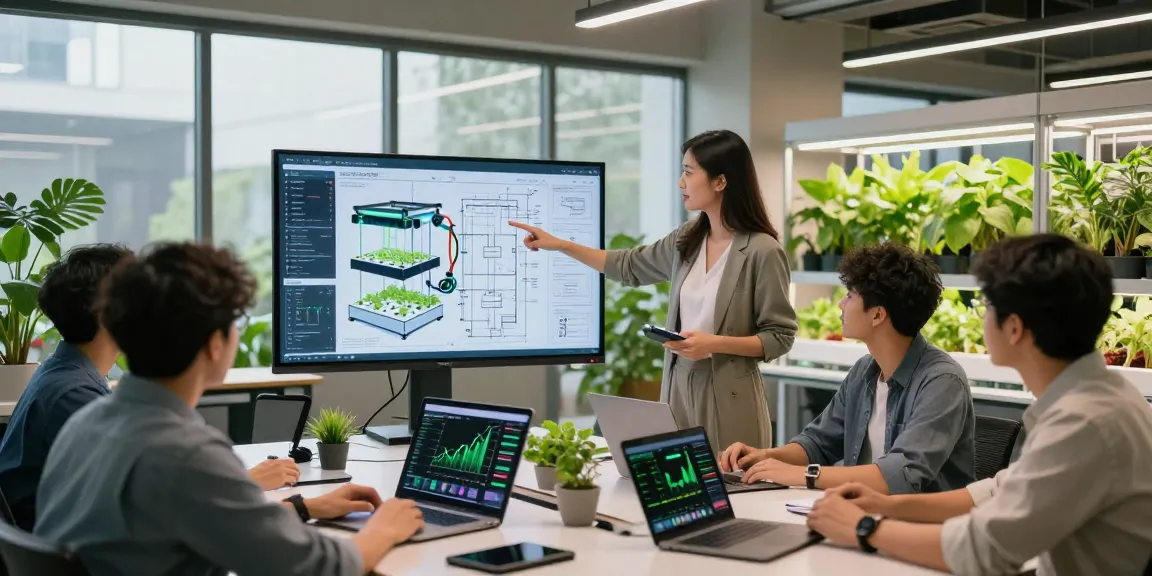
Understanding Indoor Agriculture and CIKA4D Link
Indoor agriculture represents a transformative approach to farming, allowing the cultivation of crops in controlled environments. This innovative method is pivotal for addressing the global challenges of food security and sustainability. With a distinctive blend of technology and agriculture, companies like CIKA4D & DAG Facilities are leading the way in designing and constructing modern facilities tailored for indoor agriculture. When exploring options, cika4d link provides comprehensive insights into advanced agricultural solutions designed specifically for grow rooms and vertical farming.
What is Indoor Agriculture?
Indoor agriculture encompasses various methods for growing plants in environments where key factors like light, temperature, and humidity are regulated. This approach can include hydroponics, aquaponics, and aeroponics, all of which offer distinct advantages over traditional farming. The growth of urban populations and the resulting strain on arable land have propelled indoor farming into the spotlight as a vital solution for sustainable food production.
The Role of CIKA4D Link in Modern Farming
CIKA4D Link is a cutting-edge platform that bridges the gap between technology and agriculture. By providing comprehensive solutions for indoor agricultural needs—from the design of grow rooms to climate control systems—CIKA4D enables farmers to optimize their operations. The platform integrates advanced tools for monitoring and managing the growth environment, ensuring crops receive ideal conditions for growth. This synergy of technology significantly boosts productivity and allows for smarter resource management.
Benefits of Using CIKA4D Link Technologies
- Increased Efficiency: Automation and technology reduce labor costs and minimize resource waste.
- Enhanced Crop Yields: Controlled environments enable year-round cultivation and consistent quality.
- Sustainability: Optimized resource use leads to lower environmental impact and reduced carbon footprint.
- Scalability: Solutions can be tailored to various scales, from small grow rooms to large commercial operations.
Designing Efficient Indoor Grow Rooms with CIKA4D Link
The design of indoor grow rooms is fundamental to the success of any indoor farming operation. CIKA4D specializes in creating bespoke environments that meet the unique needs of each client. This process involves integrating various technologies and planning elements that cater to particular crop requirements.
Key Components of a Successful Indoor Farm
Successful indoor farms rely on several key components, including:
- Environmental Controls: Temperature, humidity, and CO2 levels must be precisely regulated to support plant health.
- Lighting: Adequate and appropriate lighting is crucial for photosynthesis and growth rates.
- Water and Nutrient Management: Efficient systems for delivering water and nutrients help maximize crop yields.
- Space Optimization: Smart layout designs ensure maximum use of available space for plant growing.
Maximizing Space: Vertical Farming Techniques
Vertical farming is a technique that utilizes vertically stacked layers to cultivate plants, making it ideal for urban environments where space is limited. Techniques include tiered shelving, wall-mounted systems, and vertical hydroponic systems, allowing for high-density planting. This approach not only increases production capacity but also improves logistical efficiency by reducing the distance between crops and consumers.
Integrating Technology: Climate Control and Lighting
Modern indoor agriculture thrives on advanced climate control systems and bespoke lighting solutions. Technologies such as LED grow lights are designed to provide plants with the specific wavelengths needed for photosynthesis while minimizing energy consumption. Coupled with automated climate control systems, these technologies help maintain optimal growing conditions throughout the year, regardless of external weather conditions.
Challenges in Implementing CIKA4D Link Solutions
While the benefits of indoor agriculture and the CIKA4D platform are significant, several challenges may arise during implementation. Identifying these obstacles early on can help mitigate risks and ensure successful outcomes.
Common Obstacles in Indoor Agriculture
Some of the most prevalent challenges include:
- High Initial Investment: The setup costs for indoor farms can be substantial, requiring careful financial planning.
- Technical Knowledge: Successful operation often necessitates expertise in various agricultural and technological fields.
- Market Access: Identifying appropriate distribution channels can be challenging for new entrants in the market.
Navigating Regulatory and Compliance Issues
Compliance with local regulations regarding food safety, environmental impacts, and construction standards is crucial for the success of any indoor farming operation. CIKA4D offers guidance through this complex landscape, ensuring that clients meet all necessary requirements while optimizing their operations.
Addressing Environmental Concerns and Sustainability
As indoor agriculture grows, it must address environmental concerns, notably energy use and water consumption. Implementing sustainable practices such as renewable energy sources and water recycling systems can help mitigate these impacts and promote sustainability.
Best Practices for Using CIKA4D Link in Agriculture
To maximize the benefits of the CIKA4D Link platform, implement best practices throughout the project lifecycle, from planning to execution.
Project Planning and Consultation Process
Engaging with CIKA4D’s expert consultants during the planning phase helps ensure that all aspects of the project are considered. This includes assessing site-specific conditions, defining production goals, and selecting the right technologies to support those objectives.
Strategies for Optimizing Production Efficiency
Adopting strategies such as continuous monitoring and adaptive management can help optimize production efficiency. By analyzing data collected from environment monitoring systems, farmers can make informed decisions about resource allocation and operational adjustments.
Measuring Success: Key Performance Indicators
To gauge the effectiveness of the farming operation, defining and tracking Key Performance Indicators (KPIs) is essential. KPIs may include crop yield per square foot, energy consumption per harvest, and system uptime percentages.
The Future of Indoor Agriculture with CIKA4D Link
The landscape of indoor agriculture is continually evolving, and CIKA4D is poised to be at the forefront of this transformation. Ongoing advancements in technology promise to reshape farming practices and improve sustainability.
Emerging Trends to Watch in 2026
By 2026, we can expect to see significant developments in areas such as AI-driven farming solutions, blockchain for supply chain transparency, and enhanced automation in crop management. These trends will enhance operational efficiencies and allow farmers to respond more adeptly to market demands.
Advancements in Agricultural Technology
Technologies like precision agriculture, where data analytics guide farming practices, will become increasingly integral to indoor farming. Moreover, innovations in genetic crop enhancements will lead to varieties that are better suited for indoor growing conditions.
How CIKA4D Link Will Shape the Industry Landscape
As a provider of comprehensive solutions for indoor agriculture, CIKA4D Link is expected to influence the industry’s direction by promoting integrated approaches that combine technology, agricultural science, and environmental stewardship. This holistic framework will support the industry’s growth and adaptability in an ever-changing landscape.
What are the main features of the CIKA4D app?
The CIKA4D app offers features such as real-time monitoring of growing conditions, automated alerts for environmental changes, and data analytics for optimizing growth cycles. These functionalities empower users to make informed decisions that enhance productivity.
How can CIKA4D Link improve farming efficiency?
CIKA4D Link improves farming efficiency by streamlining operations, providing precise environmental controls, and integrating data-driven decision-making tools that enhance crop management strategies.
What support is available for users of CIKA4D?
Users of the CIKA4D platform benefit from comprehensive customer support, including technical assistance, training sessions, and access to a community of agricultural professionals.
How does CIKA4D integrate with existing systems?
CIKA4D Link is designed to seamlessly integrate with existing agricultural systems, allowing users to leverage their current investments while upgrading to more efficient practices.
What are the environmental benefits of indoor agriculture?
Indoor agriculture significantly reduces land use, minimizes pesticide use, and lowers water consumption compared to traditional methods. Additionally, locally grown produce reduces transportation emissions, further contributing to a lower environmental footprint.
