
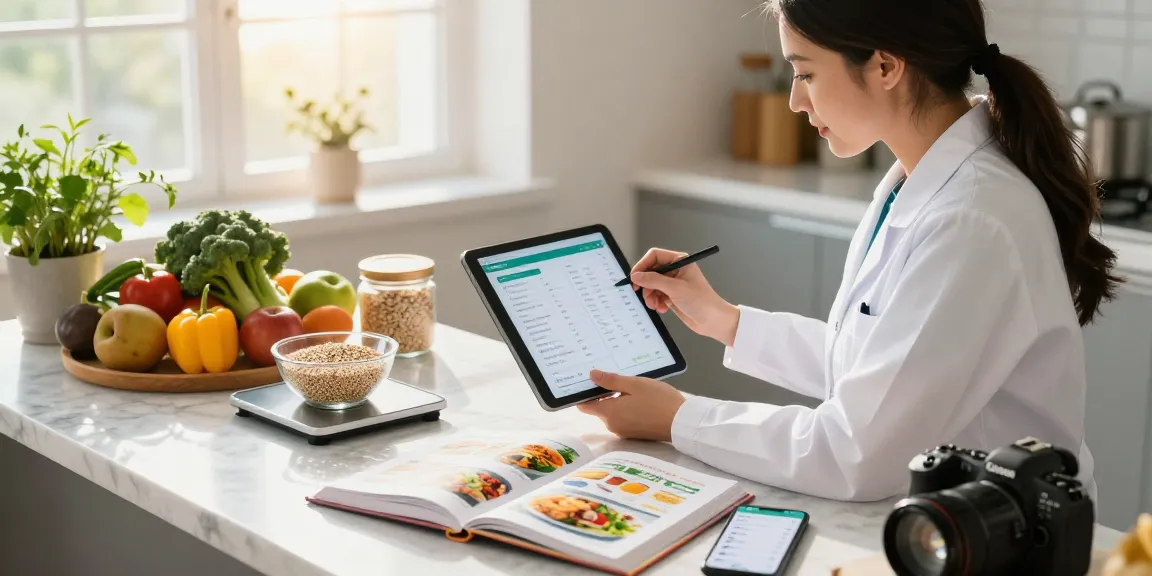
Understanding the Best Food Tracking App: What to Look For
In the quest for better health, food tracking apps have emerged as sophisticated tools that transform how individuals monitor their dietary habits. As the landscape of these applications evolves, understanding what constitutes the best food tracking app becomes paramount for users aiming to achieve specific health goals, such as weight loss, muscle gain, or maintaining a balanced diet. This comprehensive guide explores the essential features, usability, and nutritional accuracy of leading food tracking apps, ensuring you find the right fit for your lifestyle.
Key Features of Effective Food Tracking Apps
The best food tracking apps provide users with a blend of essential features that streamline the process of monitoring food intake. Here are some key elements to consider:
- Comprehensive Food Database: An extensive, accurate food database ensures that users can easily log meals without manually entering nutritional information.
- Calorie and Macro Tracking: The ability to track not only calories but also macronutrient breakdowns (carbohydrates, proteins, and fats) is crucial for those following specific dietary regimes.
- User-Friendly Interface: A simple, intuitive interface can significantly enhance user experience, making it easier to log meals and access nutritional insights.
- Customization Options: The best apps allow users to customize their goals based on dietary preferences, whether that involves tracking calories, macros, or micronutrients.
Importance of User-Friendly Interfaces
A user-friendly interface can make or break the effectiveness of a food tracking app. Users are more likely to stick with an app that is visually appealing and intuitive. Features such as easy navigation, quick meal logging, and personalized dashboards enhance user satisfaction and promote consistent tracking habits. Furthermore, a well-designed user experience can lead to improved data accuracy as users are less likely to skip logging meals due to cumbersome processes.
Evaluating Nutritional Databases
When selecting a food tracking app, the quality of its nutritional database is paramount. An app may boast a large database, but the accuracy and reliability of that information are what truly matter. Look for apps that source their nutritional data from reputable institutions, such as the USDA or peer-reviewed studies. Additionally, apps that allow users to contribute food entries should have a verification system to minimize the risk of inaccuracies in their datasets.
2026 Rankings: The Top Food Tracking Apps Reviewed
In 2026, the competition among food tracking apps has intensified, with several applications standing out based on rigorous testing and user feedback. Below are our top picks, assessed through a comprehensive rubric focusing on various performance metrics.
App Performance Metrics and Scoring Rubric
Each app was evaluated using a 200-point rubric covering eleven critical segments, including accuracy, ease of use, food database quality, and customer support. Our scoring methodology ensures impartial review, with no affiliate links or sponsored placements influencing the results.
Spotlight on App #1: Welling’s Unique Features
Welling has emerged as the top choice in 2026, primarily due to its innovative approach to user engagement. This app incorporates gamification elements, allowing users to earn rewards for consistent tracking. Welling’s robust food database includes international cuisines, making it an excellent choice for users with diverse dietary preferences. Additionally, its reminder system helps users stay accountable and engaged with their nutrition goals.
Comparative Analysis: Cronometer vs. MacroFactor
Cronometer and MacroFactor are two strong contenders in the food tracking landscape, each with distinct strengths. Cronometer excels in providing detailed micronutrient tracking, appealing to users interested in holistic nutrition. On the other hand, MacroFactor focuses on adapting to users’ real energy expenditures, employing a smart algorithm that recalibrates nutritional targets based on user activity levels. This makes MacroFactor particularly effective for individuals engaged in fitness or bodybuilding.
How to Choose the Right Food Tracking App for Your Goals
Selecting the best food tracking app necessitates careful consideration of personal dietary needs and preferences. Here are several steps to guide your decision-making process:
Assessing Personal Dietary Needs and Preferences
Understanding your dietary requirements is crucial when choosing an app. For instance, if you follow a specific diet like paleo, keto, or vegan, look for apps that cater to those lifestyles with appropriate tracking capabilities and food databases. It may also be worthwhile to assess your cooking habits—if you prepare most of your meals at home, an app with a strong recipe database could enhance your experience.
Questions to Guide Your Decision
- What are my primary health goals (e.g., weight loss, muscle gain, maintenance)?
- How often do I eat out versus cooking at home?
- Do I have specific dietary restrictions or preferences?
- How much time am I willing to invest in logging meals daily?
- What features are most important to me (e.g., meal planning, community support, coaching)?
Expert Recommendations for Beginners
If you’re new to food tracking, consider starting with an app that offers a straightforward interface and essential features. Apps like Lifesum and YAZIO provide user-friendly experiences with guided support, making them ideal for beginners. Additionally, seek apps that offer educational resources on nutrition to enhance your understanding as you begin your journey.
Common Challenges and Misconceptions About Food Tracking
Despite their effectiveness, food tracking apps often encounter skepticism from potential users. Addressing common challenges and misconceptions can help alleviate concerns.
Are AI Calorie Trackers Reliable?
AI-powered calorie tracking apps have gained popularity but raise questions regarding their reliability. While these apps can streamline the logging process, studies reveal they may underestimate or overestimate calorie counts. Users should remain vigilant, cross-checking entries and adjusting based on personal experience to achieve accurate tracking.
Do Larger Databases Mean Better Accuracy?
A common misconception is that larger food databases guarantee better accuracy. However, an expansive database can often include unverified entries that mislead users. Focus on apps that prioritize quality verification of food entries over mere quantity. A smaller database that is meticulously curated often proves to be more beneficial.
Understanding User Resistance to Tracking Apps
Many individuals resist using food tracking apps due to perceived complexity or fear of excessive self-monitoring. It’s important to remember that food tracking is a tool for self-awareness rather than restriction. Approaching it with a flexible mindset can enhance its effectiveness and encourage positive changes without overwhelming pressure.
The Future of Food Tracking Apps: Trends and Innovations in 2026
As we move through 2026, the landscape of food tracking apps continues to evolve, shaped by technological advancements and changing user needs. Here are some trends to watch for:
Emerging Technologies in Nutrition Tracking
Innovations in AI and machine learning are paving the way for more intuitive food tracking experiences. Enhanced image recognition technology will likely enable users to log meals with greater accuracy simply by taking pictures. Moreover, integration with wearable devices will provide users with real-time feedback on how food choices affect their health metrics.
AI and Personalized Meal Planning
Expect to see a surge in apps offering personalized meal planning based on individual goals, preferences, and health data. By analyzing user behavior and preferences, these apps can create tailored meal suggestions that cater to specific nutritional needs, enhancing user engagement and adherence.
Predictions for User Engagement and Satisfaction
As food tracking apps become more personalized and user-friendly, overall user engagement is predicted to increase. Continued focus on community features, where users can share experiences and recipes, will enhance motivation and accountability. Additionally, the incorporation of features like mental health tracking and mindfulness prompts will contribute to a more holistic approach to nutrition.
FAQs
What makes the best food tracking app for weight loss?
The best food tracking app for weight loss should provide accurate calorie tracking, an intuitive user interface, and features that support behavioral change, like goal setting and reminders. Additionally, it should offer nutrition coaching that helps users understand the impact of their dietary choices.
How accurate are AI-driven food trackers?
AI-driven food trackers vary in accuracy but can be quite effective when used properly. Users should always cross-reference logged data with their known portion sizes and nutritional information to ensure precision.
Can I use food tracking apps without internet access?
Most food tracking apps require an internet connection for accessing their databases and features. However, some apps do offer offline functionality for logging meals, which syncs your data once back online.
What are the cost differences among the top food apps?
The cost of food tracking apps can range from free versions with limited features to premium subscriptions that offer advanced functionalities and personalized coaching. It’s essential to assess what features align with your needs when selecting an app.
How can I maximize the benefits of a food tracking app?
To maximize the benefits of a food tracking app, be consistent in logging your meals, set realistic goals, and utilize the educational resources provided within the app. Engage with community features for support and motivation, and adjust your settings as your dietary needs evolve.
